Development experience across policy, institutions and implementation

Experience

A New Institution with Decades of Experience.

Project experiences presented in this section reflect the professional track records of KIG's founders, associates and experts through their previous and current professional engagements, and do not necessarily represent projects contracted directly by KIG.

Experience Behind KIG

Development experience across institutions, sectors and levels of government.

Katalis Inovasi Global (KIG) is a newly established organization built on over 30 years of collective professional experience in development consulting, public policy, institutional transformation, technology, and program implementation.

Its founders, associates, and experts bring extensive track records from engagements with multilateral development banks, United Nations agencies, government institutions, and development programs across Indonesia.

Combining this depth of experience with fresh perspectives and innovation, KIG brings together multidisciplinary expertise to deliver integrated solutions for sustainable development.

East Kalimantan Jurisdictional Emission Reduction Program 01

Climate & Social Development

East Kalimantan Jurisdictional Emission Reduction Program

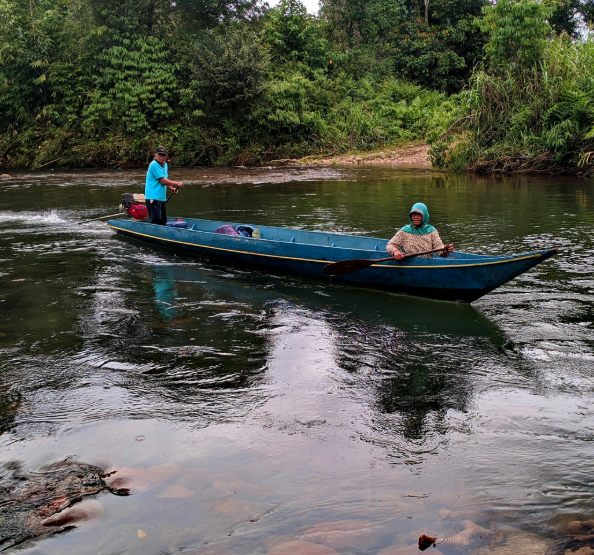
The East Kalimantan Jurisdictional Emission Reduction Program is part of the Forest Carbon Partnership Facility – Carbon Fund and focuses on verified emission reductions at jurisdictional scale. Professional experience contributed to the social development dimension of the program, particularly engagement with the East Kalimantan Provincial Government, Indigenous Peoples and Local Communities, and civil society representatives.

A central area of work was the development of the Benefit Sharing Plan, which defines how results-based payments from verified emission reductions are distributed among local government and local communities. The assignment required coordination across government and community stakeholders while ensuring that participation and benefit-sharing arrangements reflected the interests of Indigenous Peoples and Local Communities.
Institutional Strengthening for Improved Village Service Delivery 02

Governance & Village Development

Institutional Strengthening for Improved Village Service Delivery

This work supported preparation of the World Bank Investment Project Financing operation later known as P3PD, together with analytical and advisory work under the Village Law program. The engagement focused on strengthening systems that support village governance, public financial management and service delivery across Indonesia.

Key areas included village financial management regulation, the Directorate General of Treasury’s OMSPAN online monitoring system for transfer channeling and grant realization reporting, the Dana Desa allocation formula, and feasibility work related to village-owned enterprises. The broader work connected policy, fiscal systems and institutional capacity at national, sub-national and village levels.

DKI Jakarta Revenue Administration Reform 03

Public Finance & Revenue Reform

DKI Jakarta Revenue Administration Reform

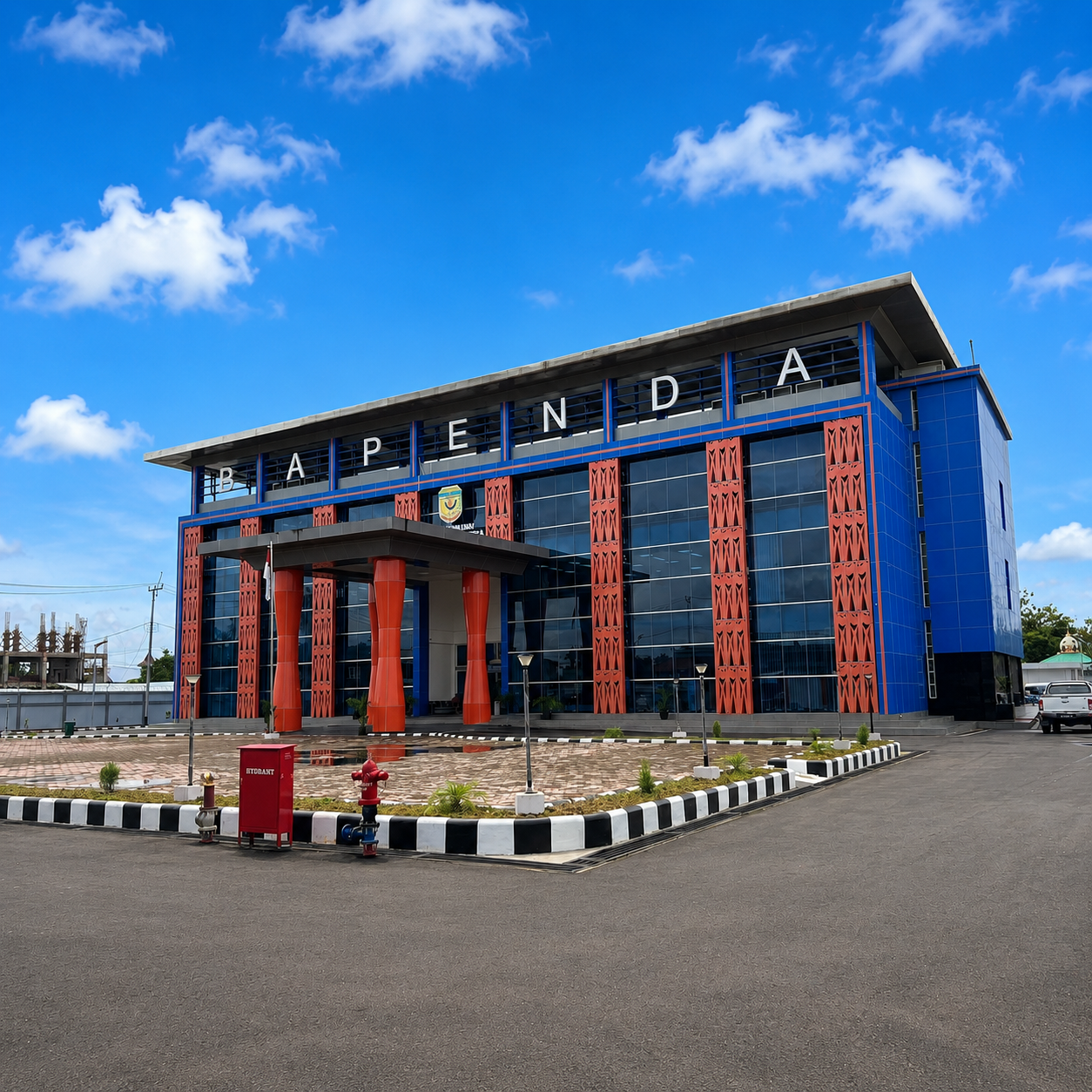
The assignment supported reform of provincial revenue administration in DKI Jakarta, drawing on fiscal policy, taxation, land administration, GIS and government database expertise. The work was undertaken in the context of strengthening local government revenue systems and improving the institutional foundations for more effective own-source revenue management.

The experience reflects a broader body of work on sub-national fiscal capacity and revenue transformation, including advisory assignments for local governments across Indonesia. It demonstrates the value of combining policy reform, administrative improvement, spatial information and data systems to strengthen fiscal independence and public financial performance.

Agroforestry for Climate-Resilient Food Systems 04

Climate Resilience & Food Systems

Agroforestry for Climate-Resilient Food Systems

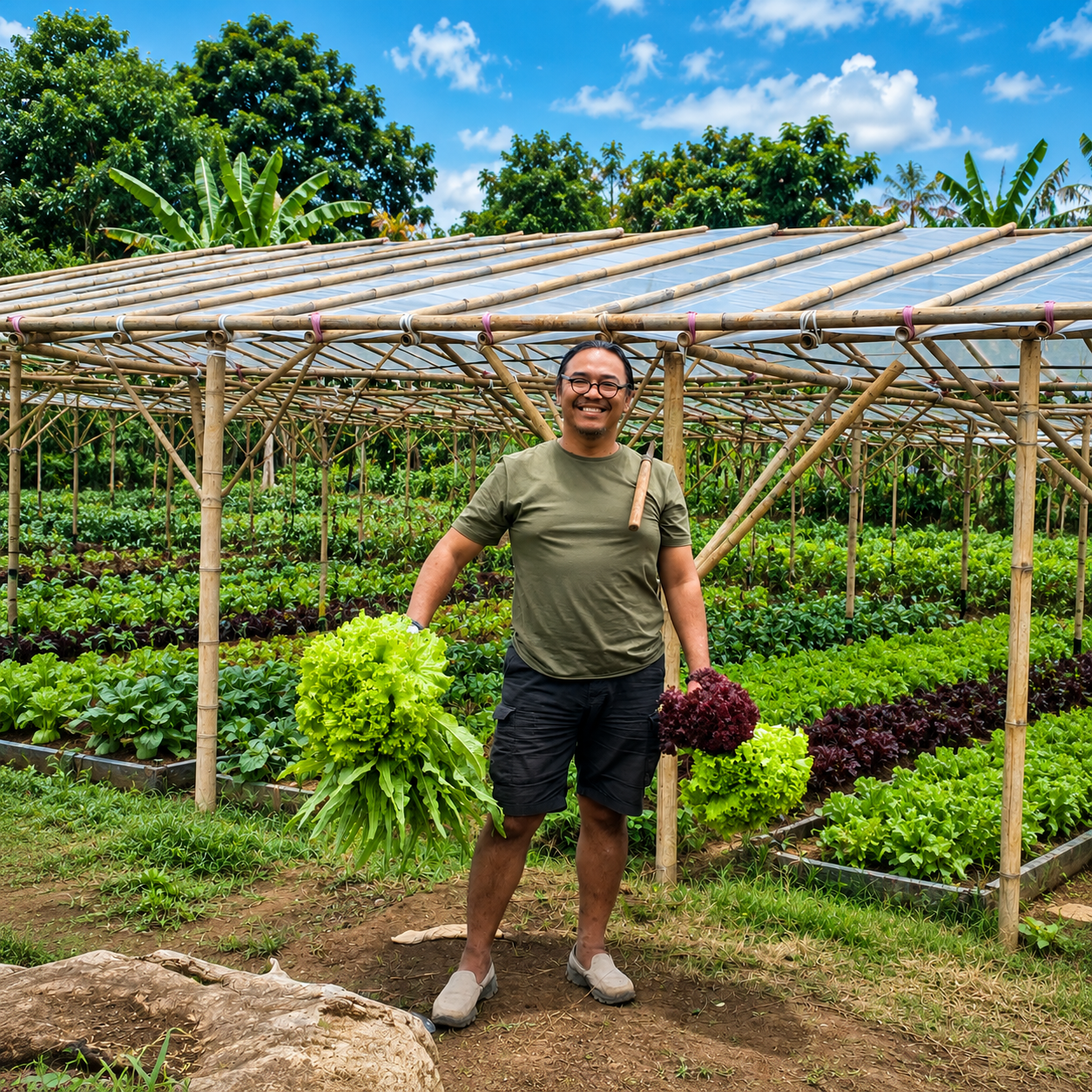
This assignment focused on agroforestry as a pathway toward more climate-resilient food systems. The project brought together natural resource management, land-based development and policy analysis to examine how productive landscapes can contribute to both economic resilience and environmental sustainability.

The experience is closely aligned with KIG’s approach to climate and regional development, where sector analysis, spatial understanding and institutional policy need to work together. It also demonstrates how development interventions can connect food security, sustainable land use and resilience within a broader development framework.

Local Government Revenue Transformation in Bogor, East Lampung and Mimika 05

Local Government Finance & Digital Transformation

Local Government Revenue Transformation

This ongoing work supports local governments in strengthening own-source revenue through a more integrated approach to revenue administration, data, digital systems and institutional performance. Experience spans Kabupaten Bogor, Kabupaten Lampung Timur and Kabupaten Mimika, where different economic structures and administrative environments require locally tailored transformation strategies.

The work focuses on improving the way revenue potential is identified, monitored and managed by connecting policy and business-process improvement with digital technology, spatial and non-spatial data, taxpayer intelligence and stronger institutional coordination. The objective is to help local governments build more effective, transparent and sustainable revenue systems while strengthening their capacity to finance local development priorities.

Indonesia China seaweed carbon trading initiative 06

Blue Economy & Carbon Markets

Indonesia–China Seaweed Carbon Trading Initiative

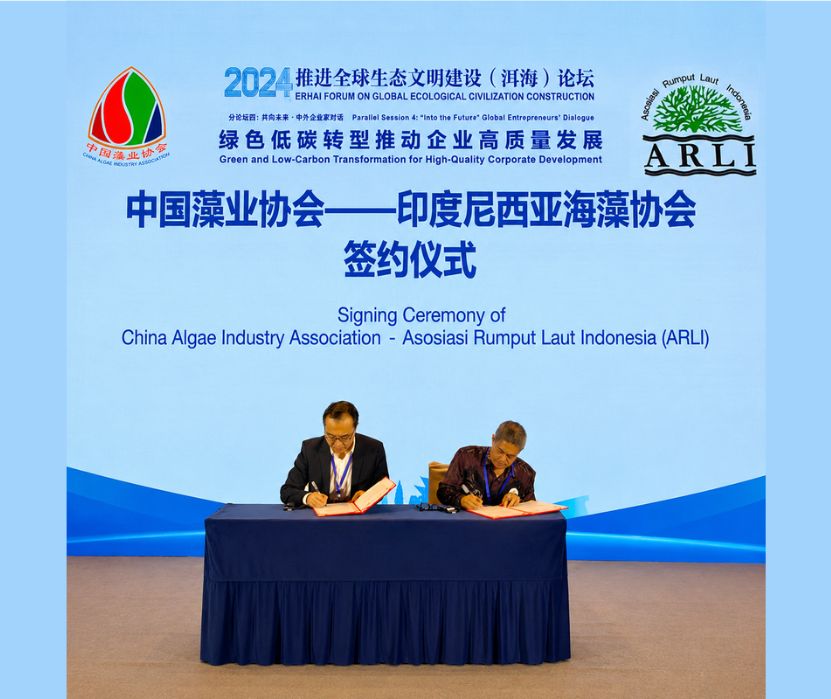
This initiative explores cooperation between Indonesia and China on the potential development of seaweed-based carbon trading, bringing together Indonesia’s seaweed sector through ARLI and the China Algae Industry Association (CAIA). The engagement connects the blue economy, marine-based livelihoods and emerging carbon-market opportunities within a cross-border industry collaboration framework.

The initiative examines how seaweed cultivation and the wider algae industry could contribute to measurable climate value while supporting sustainable coastal economies and new market opportunities. It reflects the type of development challenge that requires coordination across industry, science, policy, investment and carbon-market systems to translate natural-resource potential into credible and scalable economic and environmental outcomes.

What This Experience Brings to KIG

Institutional understanding grounded in real implementation.

Across these assignments, the common thread is the ability to connect policy analysis, institutional systems, data, stakeholder engagement and implementation. This experience enables KIG to approach development challenges with a practical understanding of how decisions move through government systems and how reforms are translated into delivery.

It also provides KIG with a strong foundation for working across disciplines, from strategy and public finance to climate, digital systems and impact measurement, while maintaining a clear focus on institutional performance and sustainable public value.

Work With KIG

Bring Experience and Intelligence to Your Next Development Challenge.

Talk with our team about how KIG can support your program, institution or development initiative.

Contact Us →